
Table of Contents
Fungus on Walls: How to Remove, Treat & Prevent Wall Fungus with Antifungal Paints (2026 Guide)
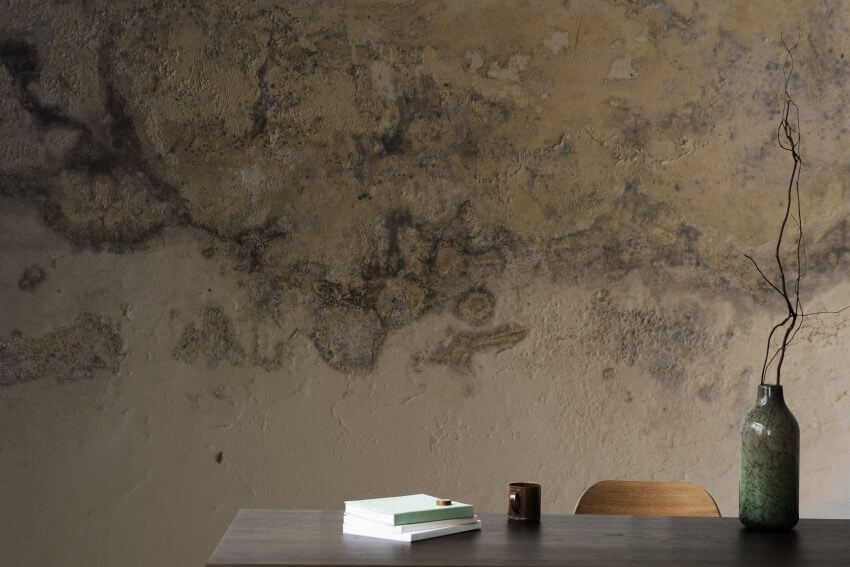
Black mould on Indian home wall — common in bathrooms, kitchens, and damp north-facing rooms
Fungus on walls is one of the most common and persistent problems in Indian homes, particularly in cities with high humidity like Mumbai, Kolkata, Kochi, and Chennai. If you have noticed black, green, or white patches spreading across your interior or exterior walls, you are dealing with wall fungus — and ignoring it will only make the problem worse. This comprehensive 2026 guide explains exactly how to remove fungus from walls, treat the underlying moisture problem, and prevent it from returning using the right antifungal paint and techniques.
Wall fungus (also called mould or mildew) is not just an aesthetic problem. Prolonged exposure to indoor fungus can cause respiratory issues, skin irritation, and allergic reactions — especially in children and elderly family members. Acting quickly with the right antifungal treatment is both a home care decision and a health decision.
What Causes Fungus on Walls?
Understanding the cause of wall fungus is essential before applying any treatment — otherwise it will keep coming back. The three root causes in Indian homes are:
Excessive moisture and humidity: Walls in bathrooms, kitchens, basements, and rooms adjacent to the bathroom or external walls absorb moisture from the air and from condensation. Once the wall moisture content exceeds about 17%, fungus spores that are always present in indoor air begin to grow rapidly. Indian monsoon seasons dramatically accelerate this process.
Water seepage and leakage: Leaking pipes inside walls, roof seepage, ground-rising damp (in older buildings), and poorly waterproofed external walls all create persistent moisture that fuels wall fungus growth. Seepage-related fungus appears as spreading dark patches that return even after painting over them.
Poor ventilation: Rooms with inadequate cross-ventilation trap humid air, creating warm, moist conditions ideal for fungus growth. Ground-floor apartments in Indian buildings are particularly vulnerable.
How to Identify Wall Fungus
Wall fungus presents in several forms in Indian homes. Black mould (usually Aspergillus or Cladosporium) appears as dark grey-to-black patches, often in corners, behind furniture, or in bathrooms. It has a slightly fuzzy texture and a musty smell. Green mould (often Penicillium) shows up on damp external walls and in plant-adjacent areas. White fungus appears as a powdery white deposit — this is sometimes confused with efflorescence (salt deposits), which is a different problem. True white fungus has a fuzzy or filamentous texture; efflorescence is crystalline and dry.
Wall fungus in the room (as opposed to the bathroom) often appears first as a musty smell, before visible patches develop. If your room smells musty despite being clean, check behind furniture and in corners near the floor for early-stage fungus growth.
How to Remove Fungus from Walls: Step-by-Step Treatment
Removing wall fungus requires more than just painting over it. Here is the correct treatment process:
Step 1 — Safety first. Wear a mask (N95), rubber gloves, and old clothes before starting. Disturbing fungus releases spores into the air. Open windows and doors for ventilation before you begin.
Step 2 — Dry out the affected area. If the fungus is caused by active leakage, fix the leak first. Run a fan or dehumidifier to reduce room humidity below 60%. Do not attempt to treat fungus on a still-damp wall — it will return within days.
Step 3 — Scrape off loose fungus and paint. Use a scraper or stiff brush to remove all flaking paint, fungus patches, and any soft or crumbling plaster in the affected area. Bag and dispose of the debris immediately — do not leave it in the room.
Step 4 — Apply antifungal chemical wash. Mix a solution of sodium hypochlorite (bleach) at 1 part bleach to 10 parts water, or use a dedicated antifungal wall treatment like Asian Paints SmartCare Damp Shield or Dr. Fixit Crack-X Powder. Apply generously to the affected area with a brush, let it sit for 20–30 minutes, then scrub with a stiff brush and rinse. This kills the fungal spores embedded in the plaster.
Step 5 — Let the wall dry completely. After the chemical wash, allow the wall to dry for a minimum of 48–72 hours (longer in humid weather). Verify the wall is fully dry by pressing a piece of plastic film (like cling wrap) against the wall and sealing the edges with tape — if moisture condenses inside after a few hours, the wall is still too wet to paint.
Step 6 — Apply antifungal primer. Use an antifungal primer — Asian Paints TruCare Damp Proof Primer or Asian Paints Damp Proof Primer are reliable choices. These primers contain biocides that inhibit fungal regrowth in the plaster substrate. Apply one full coat and allow to dry for the recommended time (usually 4–6 hours).
Step 7 — Apply antifungal paint. Finish with an antifungal paint for walls. Asian Paints Royale Health Shield and Asian Paints Apex Exterior Emulsion (with Stain Guard) are specifically formulated with antifungal additives that prevent regrowth for 3–5 years. Apply two coats for best results.
Antifungal paint application — the right product prevents mould from returning after treatment
Best Antifungal Paints for Indian Walls
| Product | Type | Best For | Price Range (per litre) |
|---|---|---|---|
| Asian Paints Royale Health Shield | Interior antifungal emulsion | Bedrooms, living rooms with moisture issues | ₹350–450/litre |
| Asian Paints TruCare Damp Proof Primer | Antifungal primer | All interior walls before topcoat | ₹280–350/litre |
| Asian Paints Apex Exterior Emulsion | Exterior antifungal emulsion | Exterior walls, balconies, terraces | ₹320–400/litre |
| Nerolac Excel Total | Exterior waterproof + antifungal | High-humidity exterior walls | ₹290–380/litre |
| Berger WeatherCoat Long Life | Exterior antifungal emulsion | Exterior walls in coastal areas | ₹300–390/litre |
| Dr. Fixit Crack-X Powder | Antifungal repair compound | Filling cracks before antifungal paint | ₹80–120/kg |
Antifungal Paint Cost in India (2026)
| Work Type | Cost (₹/sq ft) | Notes |
|---|---|---|
| Antifungal wash + primer + 2 coats antifungal paint | ₹28–45 | Full treatment for moderately affected walls |
| Antifungal primer + 2 coats topcoat (no prior fungus) | ₹18–30 | Preventive treatment for vulnerable rooms |
| Exterior antifungal painting (full facade) | ₹22–38 | Includes scaffolding if required |
| Waterproofing + antifungal for bathroom walls | ₹45–75 | Includes chemical waterproofing coat |
Fungus on Walls Treatment by Room Type
Bathroom walls: Bathrooms are the most common location for wall fungus in Indian homes. Inadequate ventilation, constant splashing, and high steam humidity create ideal fungal conditions. For bathrooms, use a dedicated bathroom waterproof paint (like Asian Paints Aqualock) that combines waterproofing and antifungal protection. Ensure exhaust fans are functional and run them during and after every shower.
Kitchen walls: Cooking steam and the warm-humid microclimate near the stove encourage fungal growth on kitchen walls. Use a washable, antifungal emulsion on all kitchen walls. Clean grease from walls monthly — grease acts as a nutrient source for wall fungus.
Bedroom walls: Fungus in the bedroom is most often caused by condensation on external walls (especially north-facing walls that get little sunlight) or by humidity from attached bathrooms. If fungus appears on bedroom walls, check for hairline cracks in the external wall that may be letting rainwater seep in. Asian Paints Royale Health Shield provides excellent antifungal protection for bedroom interiors.
External walls: Exterior wall fungus appears as green or black streaks below window ledges, on shaded walls, and at the junction of wall and slab. Exterior antifungal paints with algicide (to combat algae, which often grows alongside fungus) are essential. Asian Paints Apex Exterior Emulsion or Berger WeatherCoat are recommended for Indian exterior walls. Repaint exteriors every 5–7 years in normal climates, or every 3–5 years in coastal or very humid locations.
How to Prevent Fungus on Walls
Prevention is far cheaper and easier than repeated treatment. The key antifungal measures for Indian homes are:
Waterproof the building envelope: Ensure rooftop waterproofing is intact, all external cracks are sealed with elastomeric filler, and window frames are properly sealed. Water entry from outside is the root cause of most persistent interior wall fungus.
Improve ventilation: Install exhaust fans in bathrooms and kitchens if not already present. Keep windows open for cross-ventilation during dry weather. In humid coastal cities, consider a whole-room dehumidifier for ground-floor or north-facing rooms during monsoon season.
Use antifungal paint throughout the home: Not just in affected areas, but proactively in all bathrooms, kitchens, and any room in a humid climate. The marginal extra cost of antifungal paint versus standard emulsion is ₹50–100 per litre — a small investment compared to the cost of recurring fungus treatment.
Maintain paint coats: Freshly painted walls are protected by the paint film. Once the paint starts flaking or developing hairline cracks, moisture can penetrate to the plaster. Repainting every 4–6 years (interiors) and 3–5 years (exteriors) is essential preventive maintenance in the Indian climate.
Frequently Asked Questions About Fungus on Walls
How do I remove fungus from walls permanently?
Permanent removal of wall fungus requires fixing the moisture source first (leakage, condensation, or inadequate ventilation), then chemically treating the affected wall with a bleach solution or antifungal wash, applying antifungal primer, and finishing with 2 coats of antifungal paint. Simply painting over fungus without treating the underlying moisture problem will not work — the fungus will return within weeks.
What causes fungus on walls in Indian homes?
The main causes of wall fungus in India are high monsoon humidity, water seepage through external walls or roofs, leaking pipes inside walls, condensation on cold external walls, and poor room ventilation. Ground-floor apartments and rooms adjacent to bathrooms or kitchens are most vulnerable.
Is wall fungus dangerous to health?
Yes, prolonged exposure to wall fungus (especially black mould) is a health risk. It releases spores and mycotoxins into the air that can cause respiratory problems, chronic coughing, skin irritation, eye irritation, and allergic reactions. Children, elderly people, and anyone with asthma or immune system conditions are particularly vulnerable. If you have visible wall fungus in living spaces, treat it promptly.
What is the best antifungal paint for walls in India?
For interior walls, Asian Paints Royale Health Shield is widely regarded as the best antifungal paint for Indian homes — it is specifically formulated for humid Indian climates and contains biocide additives. For exterior walls, Asian Paints Apex Exterior Emulsion and Berger WeatherCoat Long Life offer excellent antifungal and weatherproofing performance. Always pair antifungal paint with an antifungal primer for best results.
How much does antifungal wall treatment cost in India?
A full antifungal treatment — chemical wash, primer, and 2 coats of antifungal paint — costs ₹28–45 per sq ft for interior walls. For a 400 sq ft apartment with moderate fungal issues, budget ₹11,200–18,000 for full treatment. Preventive antifungal painting (no existing fungus) costs less at ₹18–30/sq ft. Get a free quote from AapkaPainter to know your exact cost.
Why does fungus keep coming back on walls despite painting?
If wall fungus returns after painting, the moisture source has not been fixed. Painting over active fungus only covers it temporarily — the fungus continues to grow underneath and breaks through within weeks. You must identify and fix the water entry point (seeping roof, cracked external wall, leaking pipe, condensation) before any antifungal painting treatment will hold long-term.
Can I use antifungal chemicals on walls myself?
Yes, a dilute bleach solution (1:10 with water) is an effective DIY antifungal treatment for minor wall fungus. Commercial antifungal sprays and wash products are also available at hardware stores. Always wear an N95 mask, rubber gloves, and ensure good ventilation when working with antifungal chemicals. For significant fungus problems covering more than 1 sq metre, or for fungus caused by seepage, professional treatment is recommended.
What is the difference between wall fungus and efflorescence?
Wall fungus is a biological growth — it is fuzzy or slimy in texture, often dark grey, black, green, or white, and has a musty smell. Efflorescence is a chemical deposit — white crystalline salt stains left on the wall surface as water evaporates through the plaster. Both indicate moisture problems, but they require different treatments. Efflorescence is treated with a dilute acid wash and moisture barrier; wall fungus is treated with biocidal chemicals and antifungal paint.
How long does antifungal paint protection last?
A good antifungal paint applied correctly on a properly treated wall will protect against fungal regrowth for 3–5 years under normal conditions. In very humid climates (Mumbai, Kolkata, coastal Kerala) or rooms with ongoing moisture issues, protection may be shorter — 2–3 years. Using both antifungal primer AND antifungal topcoat significantly extends the protection period compared to using antifungal paint alone.
Get Expert Antifungal Wall Treatment with AapkaPainter
AapkaPainter’s trained teams handle the complete antifungal treatment process — from diagnosing the moisture source and applying chemical wash, to priming and finishing with the right antifungal paint for your specific wall condition and climate. We do not just paint over the problem — we fix it properly.
We serve homeowners across Pune, Mumbai, Bengaluru, Hyderabad, Nagpur, Nashik, Ahmedabad, and other major Indian cities. Book a free inspection and cost estimate at aapkapainter.com.