
Table of Contents
The number of coats of paint you need depends on the paint type, the surface condition, the colour you’re covering, and whether you’re using a primer. Get it wrong and you either waste money on extra coats — or end up with patchy, uneven walls that need redoing. This guide gives you the exact numbers for every common scenario in Indian homes.
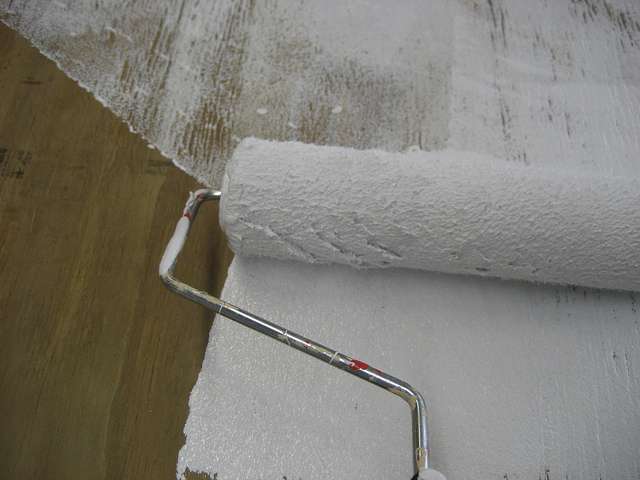
Second coat of emulsion — proper roller technique and adequate drying time between coats is critical
How Many Coats of Paint Does a Wall Need? — Quick Answer
| Situation | Primer coats | Paint coats | Total |
|---|---|---|---|
| New plastered wall, white/neutral colour | 1–2 | 2 | 3–4 |
| Repainting same colour over good surface | 0 | 1–2 | 1–2 |
| Light colour over dark colour | 1 | 2–3 | 3–4 |
| Dark colour over light colour | 0–1 | 2 | 2–3 |
| White over white (touch up) | 0 | 1 | 1 |
| Budget emulsion over bare plaster | 1–2 | 2–3 | 3–5 |
| Premium Royale over primed surface | 1 | 2 | 3 |
The Role of Each Coat — What Each One Actually Does
Primer Coat
Primer coat seals the surface, improves adhesion, and reduces paint consumption on topcoats
Primer is a preparatory coating applied before the topcoat paint. It seals porous surfaces (especially new plaster), improves paint adhesion, and significantly reduces the amount of topcoat paint needed. Skipping primer on new walls is the single most common cause of paint failure in Indian homes.
- When you must use primer: New plaster, bare cement, walls with stains or patches, after putty application
- When primer is optional: Repainting same colour on a clean, sound surface
- Recommended primers: Asian Paints TruCare Wall Primer, Berger Primer Sealer, Dr. Fixit Primeseal
- Drying time: 4–6 hours before applying topcoat in Indian climates (longer in monsoon)
First Coat (Basecoat)
The first coat of topcoat paint establishes the colour. On new or primed surfaces it will typically look slightly patchy and uneven — this is normal. The first coat seals minor surface variations and creates the foundation for the second coat. Never judge a paint colour from the first coat alone.
Second Coat (Topcoat)
The second coat brings the colour to full depth and coverage, evens out any patchiness from the first coat, and creates the final finish. For most paints and surfaces, two topcoats give the best result — the wall will look uniform, the colour will be true to the shade card, and the finish (matte, sheen, or glossy) will be consistent.
Third Coat — When Is It Needed?
A third topcoat is needed when: covering a very dark colour with a lighter one, covering nicotine or water stains that bleed through, using a budget paint with poor opacity, or painting in very high humidity conditions where paint absorbs unevenly. With premium paints like Royale on a properly primed surface, third coats are rarely needed.
Number of Coats by Paint Type — Indian Products
| Paint type | Product example | Primer needed? | Coats needed | Coverage (sqft/litre) |
|---|---|---|---|---|
| Distemper / whitewash | Tractor Distemper | No | 2–3 | 80–100 |
| Budget emulsion | Tractor Emulsion | Yes (1 coat) | 2 | 100–120 |
| Mid-range emulsion | Apcolite Premium | Yes (1 coat) | 2 | 120–140 |
| Premium emulsion | Royale Matt | Yes (1 coat) | 2 | 140–160 |
| Luxury emulsion | Royale Luxury Emulsion | Yes (1 coat) | 2 | 130–150 |
| Plastic emulsion | Asian Paints Plastic | Yes (1–2 coats) | 2 | 110–130 |
| Semi-gloss / Shyne | Royale Shyne | Yes (1 coat) | 2 | 130–150 |
| Exterior emulsion | Apex / WeatherCoat | Yes (1 coat) | 2 | 100–120 |
| Texture paint | Royal Play Infinitex | Yes (2 coats) | 1–2 | 20–40 |
1 Coat vs 2 Coats — The Actual Difference
Many homeowners ask contractors to apply just one coat of paint to save money. Here’s what actually happens:
| Factor | 1 coat only | 2 coats |
|---|---|---|
| Coverage | Patchy — surface texture shows through | Uniform, smooth, consistent |
| True colour | Washed-out — 60–70% of actual shade | Full, accurate colour depth |
| Durability | 2–3 years before fading/peeling | 5–7 years with normal cleaning |
| Washability | Poor — paint rubs off when cleaning | Good — full film strength |
| Cost saving | Saves ~15% on paint cost | ~15% more paint, 2x the lifespan |
| Verdict | False economy — costs more long-term | Always the right choice |
Drying Time Between Coats — India-Specific Guide
| Season / condition | Wait time between coats | Notes |
|---|---|---|
| Summer (Mar–May), 28–40°C | 2–4 hours | Fast drying — risk of overcoating too soon |
| Monsoon (Jun–Sep), high humidity | 6–12 hours | Slow drying — never paint on wet or damp surfaces |
| Winter (Nov–Feb), North India | 4–8 hours | Cold slows curing — allow extra time in Delhi, Chandigarh |
| Coastal cities (Mumbai, Chennai) | 4–8 hours year-round | High humidity slows drying even in non-monsoon months |
| Bangalore, Hyderabad (mild climate) | 3–5 hours | Best conditions for painting in India |
Rule of thumb: Touch the painted surface — if any paint comes off on your finger, it is not ready for the next coat. Wait longer. Rushing between coats causes wrinkling, peeling, and poor adhesion.
Room-by-Room Guide — How Many Coats for Each Room
| Room | Recommended paint | Primer | Coats | Why |
|---|---|---|---|---|
| Living room / hall | Royale Matt or Shyne | 1 coat | 2 | High visibility — full coverage essential |
| Bedroom | Royale Matt or Luxury | 1 coat | 2 | Premium finish worth it where you sleep |
| Kitchen | Royale Shyne or plastic emulsion | 1 coat | 2–3 | Washability critical — extra coat for durability |
| Bathroom | Moisture-resistant emulsion | 1–2 coats | 2–3 | High moisture — extra primer and topcoats needed |
| Kids room | Easy Clean or washable emulsion | 1 coat | 2 | Washable finish — 2 coats give full film strength |
| Ceiling | Ceiling white / flat emulsion | 1 coat | 2 | Ceilings are non-washable — 2 coats for clean finish |
| Exterior | Apex / WeatherCoat | 1–2 coats | 2 | Weather exposure demands full coverage |
How to Calculate Paint Required — Formula
Use this formula to calculate how many litres you need:
Litres needed = (Total wall area in sqft ÷ Coverage per litre) × Number of coats
Example for a 2BHK in Bangalore: Total paintable wall area ~1,200 sqft. Using Royale Matt (coverage ~140 sqft/litre), 2 coats: 1,200 ÷ 140 × 2 = ~17 litres. Add 10% buffer for wastage = ~19 litres. Buy in 4-litre or 20-litre packs.
Why Your Painter May Say You Need More Coats
Some contractors recommend 3 topcoats when 2 would suffice. The legitimate reasons for extra coats: covering dark colours, high-traffic areas needing durability, genuinely poor surface condition, or using a budget paint with low opacity. If your wall surface is prepared correctly (putty + primer), you should never need more than 2 topcoats of premium emulsion. Ask your painter to explain specifically why a third coat is needed before agreeing.
Get a Painting Estimate from AapkaPainter
AapkaPainter provides professional painting services across Bangalore, Mumbai, Hyderabad, Pune, Chennai, Delhi, and Noida. Our painters follow the correct primer + 2-coat process on every job, and we use verified Asian Paints products.
👉 Get a free painting estimate from AapkaPainter →
Frequently Asked Questions
How many coats of paint does a wall need?
Most walls need 1 coat of primer + 2 coats of topcoat paint = 3 coats total. On new plaster use 2 coats of primer. For repainting the same colour on a sound surface, 1–2 topcoats without primer may suffice.
Is 1 coat of paint enough for a wall?
Rarely. One coat typically gives 60–70% coverage — the colour looks washed out, surface texture shows through, and the paint film is too thin to be durable or washable. Always apply 2 coats of topcoat for a proper finish. The cost difference is small; the quality difference is significant.
Do I need primer before painting walls?
Yes for new plaster, bare cement, patchy or stained surfaces, and after applying putty. Primer seals the surface, prevents paint absorption into plaster, and reduces the number of topcoats needed. Skipping primer is the most common cause of paint peeling in Indian homes.
How long should I wait between coats of paint?
In Indian summer conditions (28–35°C), 2–4 hours between coats is usually sufficient. During monsoon or in high-humidity coastal cities, wait 6–12 hours. Touch the surface — if paint transfers to your finger, wait longer.
How many coats does Royale paint need?
Asian Paints Royale (Matt, Shyne, or Luxury Emulsion) needs 1 coat of primer + 2 coats of Royale topcoat = 3 coats total. Royale has excellent opacity so 2 topcoats are almost always sufficient — a third coat is rarely needed on properly prepared surfaces.
How many coats of paint for a new house?
For new construction in India: 2 coats of wall putty (sanded between) + 2 coats of primer + 2 coats of topcoat = 6 coats total. This is the complete, correct sequence for new plaster walls. Shortcuts here cause peeling within 2–3 years.
What happens if you apply the second coat too soon?
Applying the second coat before the first is fully dry causes wrinkling, lifting, and poor adhesion between layers. The paint film can peel in sheets. In Indian monsoon conditions, painters often rush coats due to client pressure — insist on proper drying time between every coat.
How many litres of paint do I need for a 2BHK?
For a typical 2BHK in India (~900–1,100 sqft carpet area, ~1,100–1,400 sqft paintable wall area), using premium emulsion at ~140 sqft/litre coverage with 2 coats: 16–20 litres of topcoat + 8–10 litres of primer. Buy in 20-litre packs for the topcoat and 10-litre packs for primer to minimise waste.