
Table of Contents
Where to Place Ganesha Idol at Home: 6 Vastu Tips, Direction Guide & Pooja Room Colours (2026)
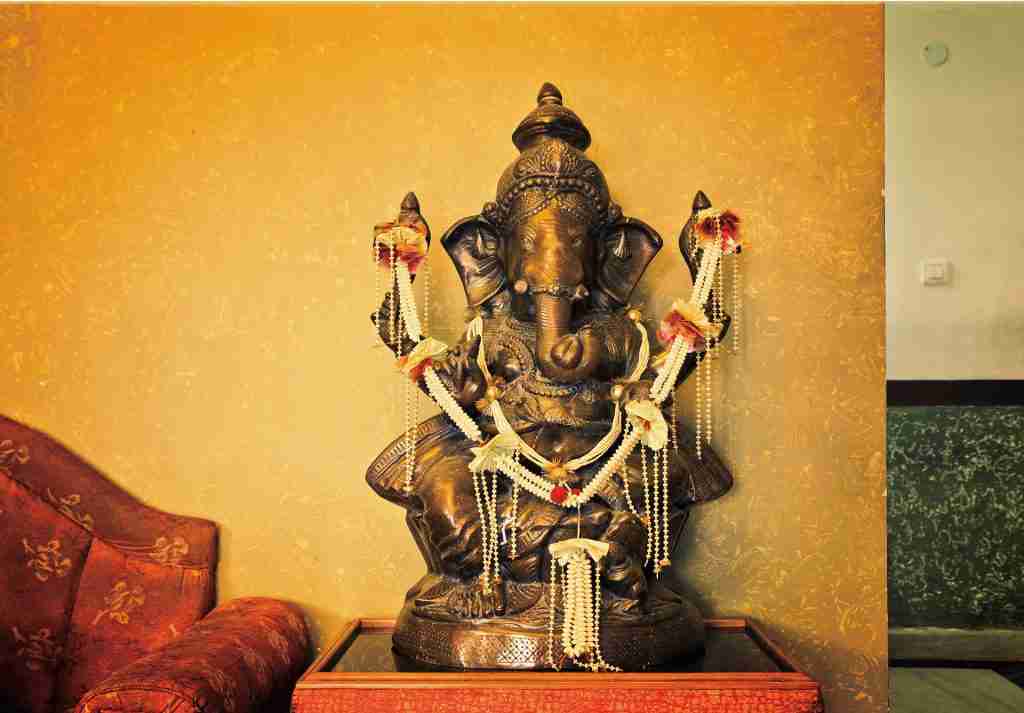
Ganesha idol at home entrance — facing east or north is considered auspicious per Vastu Shastra
Bringing a Ganesha idol into your home is one of the most auspicious acts in Indian tradition — Lord Ganesha, the remover of obstacles and bestower of good beginnings, is welcomed at entrances, pooja rooms, living areas, and offices across millions of Indian homes. But where to place the Ganesha idol, and in which direction it should face, are questions that every devotee takes seriously. Vastu Shastra, India’s ancient science of directional alignment in architecture, offers clear guidance on Ganesha idol placement, direction, and the environment around the idol — including the wall colours that enhance the positive energy of the space.
This complete 2026 guide covers six evidence-based Vastu tips for placing your Ganesha idol at home, explains which direction the idol should face for maximum benefit, and includes guidance on choosing the right pooja room and entrance colours to complement the energy of Lord Ganesha in your home. AapkaPainter’s professional painters can help you prepare the perfect backdrop for your Ganesha installation.
In Which Direction Should a Ganesha Idol Face at Home?
The direction in which the Ganesha idol faces is considered the most important Vastu parameter. Here is what classical Vastu Shastra prescribes:
North-facing Ganesha (Uttara mukhi): Placing a Ganesha idol so it faces north is considered extremely auspicious according to most Vastu experts. North is the direction associated with Mercury (Budha) — the planet of wisdom, intellect, and prosperity. A north-facing Ganesha at the entrance or pooja room is said to attract positive cosmic energy into the home, promote learning, and enhance career success. This is the most popular placement in modern Indian apartments.
East-facing Ganesha (Purva mukhi): East is the direction of the rising sun — the source of energy, vitality, and new beginnings. An east-facing Ganesha idol near the main entrance is ideal for welcoming good fortune as the day begins. This placement is particularly recommended for homes in which the main door faces east or north-east. The east-facing Ganesha at an entrance is one of the most common traditional placements in South Indian homes.
West-facing Ganesha (Paschima mukhi): A west-facing idol is considered suitable for pooja rooms. West is connected to Saturn and is associated with discipline, structure, and long-term success. Some Vastu practitioners recommend west-facing Ganesha specifically for business owners seeking sustained growth. It is less common than north or east-facing placement but is not considered inauspicious.
Directions to avoid: According to most Vastu authorities, a south-facing Ganesha idol (facing south) should be avoided — south is associated with Yama (the god of death) and is considered inauspicious for divine idols in many Vastu traditions. Similarly, placing the idol facing south-west or under a beam is discouraged.
6 Vastu Tips for Placing Ganesha Idol at Home
Tip 1 — Place Ganesha at the Main Entrance (facing inward)
The entrance of a home is where all energy — positive and negative — first passes. Placing a Ganesha idol at the main entrance, looking inward toward the home (not toward the street), is one of the most powerful Vastu placements. Lord Ganesha at the entrance acts as a protector against negative energies and a welcomer of guests and prosperity. Wall-mounted Ganesha idols or relief sculptures on the entrance wall are the most popular form of entrance placement. For the entrance wall behind the idol, use warm earthy tones — Asian Paints Terracotta-N (427) or warm saffron shades create an auspicious, welcoming backdrop.
Tip 2 — The Pooja Room Is the Most Auspicious Location
The dedicated pooja room or mandir is the most spiritually appropriate location for the Ganesha idol in any Indian home. The pooja room should ideally be located in the north-east corner of the house (the Ishan Kona, or divine corner), as this zone is considered the most sacred in Vastu Shastra. Place the Ganesha idol on a clean wooden platform or marble shelf at a comfortable height — the idol should be at or slightly below eye level when seated. Avoid placing the idol directly on the floor. For pooja room walls, white or off-white paint (like Asian Paints Ivory 0315) is the traditional and Vastu-approved choice — it represents purity, spiritual clarity, and is a neutral backdrop for colourful deity idols and flower garlands.
Tip 3 — Avoid the Bathroom Wall and Bedroom Placement
Vastu Shastra strongly advises against placing any deity idol — including Ganesha — on a wall that shares a common surface with the bathroom. Even if the idol is in the living room, if the back of that wall faces a bathroom, it should be avoided. Similarly, placing Ganesha idols in bedrooms is generally discouraged in classical Vastu — the bedroom is a space of rest and intimacy, and the presence of deity idols can create an energy imbalance. If a separate pooja room is not available in a modern apartment, a dedicated pooja cabinet or shelf in the north-east corner of the living room is the recommended alternative.
Tip 4 — The Trunk Direction Matters
The direction in which Lord Ganesha’s trunk curves is an important distinction in Vastu. Left-facing trunk (Vamamukhi): Most common in homes — this type is associated with earthly blessings, domestic harmony, and general prosperity. The left-facing trunk Ganesha is considered easier to worship and maintain the rituals for. Right-facing trunk (Dakshinamukhi or Siddhi Vinayaka): This is the more spiritually powerful form, associated with Kundalini energy and intense blessings. However, it requires strict adherence to daily ritual and is often considered more suitable for temples or extremely devout households. For most Indian family homes, the left-facing trunk Ganesha is the recommended choice for ease of worship and auspiciousness.
Tip 5 — Keep the Ganesha Idol Elevated and Clean
The Ganesha idol should always be placed at an elevated position — on a platform, shelf, or mandir. Never place the idol directly on the floor, as this is considered disrespectful in Vastu and Hindu tradition. The area around the idol should be kept impeccably clean — dust, clutter, and old flowers near the idol are considered to obstruct the flow of positive energy. If the idol is on a painted shelf or mandir, ensure the paint is fresh and clean — peeling or damp paint on the wall around the idol creates negative Vastu energy. AapkaPainter’s interior touch-up service can refresh pooja room walls and shelves without disturbing the rest of your home décor.
Tip 6 — Ganesha Idol at the Study or Office Area
Since Lord Ganesha is the patron of knowledge, intelligence, and new beginnings, placing a small Ganesha idol at the study table, home office, or work desk is considered highly auspicious. The idol should face east (toward the person working — i.e., the person faces east and the idol is in front of them). This placement is particularly popular among students appearing for competitive examinations and professionals starting new businesses. The study or office wall behind the Ganesha shelf can be painted in calming yet stimulating shades — Asian Paints Elegant Grey (8232) or a soft sage green creates an environment conducive to focus and learning.
A well-set-up pooja room — clean, well-lit, with idols placed at the right height and direction
Ganesha Idol Placement at Home Entrance: Complete Guide
The home entrance is where Ganesha most commonly appears in Indian homes. Here are the specific Vastu guidelines for entrance placement of Ganesha idol:
Place the idol or wall relief on the inside of the main door — not outside facing the street. The Ganesha should welcome those entering, which means the idol faces inward. Placement height should be between 4 and 5 feet from the floor — at or slightly above the eye line of an adult entering through the door. The entrance wall should be well-lit (a small spotlight or warm LED above the idol is both aesthetically pleasing and Vastu-positive). Avoid placing the idol in a corner where it will be obscured by the open door — it should be clearly visible as you enter.
For the entrance wall colour, Vastu recommends warm, welcoming shades. Deep yellow (associated with wisdom and divinity), warm orange-red (associated with auspiciousness and energy), and pure white (purity and fresh starts) are the top three Vastu-approved entrance wall colours for homes with a Ganesha idol. Asian Paints Buttercup N (0336) and Honey Mustard (7880) from the Royale range are popular choices for entrance accent walls where a Ganesha installation is planned.
Vastu-Approved Wall Colours Around Ganesha Idol
| Location of Idol | Recommended Wall Colour | Asian Paints Shade | Vastu Significance |
|---|---|---|---|
| Main entrance (inside) | Warm yellow or saffron | Buttercup N (0336) / Honey Mustard (7880) | Welcomes prosperity; stimulates positive chi at entry |
| Pooja room | White or off-white | Ivory (0315) or Royale White | Purity, spiritual focus, divine clarity |
| Living room shelf / cabinet | Soft cream or light beige | Ivory (0315) | Calm, harmony, balanced energy in shared spaces |
| Study / home office | Soft grey or sage green | Elegant Grey (8232) | Focus, intelligence, steady growth |
| North-east corner feature wall | Light blue or pale turquoise | Teal Blast (7503) — diluted | North-east = Ishan Kona, water element, divine blessings |
Pooja Room Painting Cost in India (2026)
A freshly painted pooja room is considered especially auspicious — Vastu recommends maintaining the paint in divine spaces without cracks, peeling, or dampness. Here are typical 2026 painting costs for pooja rooms in Indian homes:
| Pooja Room Size | Paintable Area (approx.) | Economy Paint Cost (₹) | Premium Paint Cost (₹) |
|---|---|---|---|
| Small (5×5 ft) | 180–220 sq ft | ₹2,200–4,000 | ₹4,000–8,800 |
| Medium (6×8 ft) | 300–360 sq ft | ₹3,600–6,500 | ₹6,600–14,400 |
| Large (8×10 ft) | 420–500 sq ft | ₹5,000–9,000 | ₹9,200–20,000 |
| Pooja cabinet alcove (wall only) | 50–80 sq ft | ₹600–1,440 | ₹1,100–3,200 |
Premium cost uses Asian Paints Royale Luxury Emulsion at ₹22–40/sq ft. Economy uses Tractor Emulsion at ₹12–18/sq ft. Costs include putty, primer, and 2 coats of paint. Special finishes (gold paint border, texture accent) priced separately.
Where to Place Ganesha Idol: Room-by-Room Guide
Living room: A Ganesha idol on the north or east wall of the living room, on a dedicated shelf or in a wall niche, is auspicious and aesthetically impactful. The idol should be at a comfortable viewing height when seated. Avoid placing Ganesha above the TV unit — the energy of the television screen is considered distracting to the meditative quality of the deity’s space.
Kitchen: Vastu does not recommend placing Ganesha idols in the kitchen, as the kitchen is associated with fire, cooking fumes, and food preparation — the environment is not considered conducive to regular worship. If your kitchen is the main social gathering area and you want Ganesha’s presence, place the idol in the adjoining dining area instead, on the north or east wall.
Bedroom: Generally not recommended in classical Vastu, as discussed above. If space constraints make the bedroom the only option, place the idol in a closed cabinet or almirah when not worshipping — keeping it covered during sleep is considered more respectful than full exposure through the night.
Office or business premises: Ganesha is the patron of all new beginnings and enterprises. Every Indian office, shop, clinic, and business should have a Ganesha idol facing east, placed at the entrance or at the reception area. Avoid placing the idol behind the main seat of the business owner — it should be in a position where the owner can see it when seated at their desk.
Frequently Asked Questions About Ganesha Idol Placement (Vastu)
In which direction should a Ganesha idol face at home?
According to Vastu Shastra, a Ganesha idol should ideally face north or east — both directions associated with positive energy, wisdom, and prosperity. North (associated with Mercury/Budha) is considered the most universally auspicious direction for Ganesha placement. East (direction of the rising sun) is ideal for entrance placement. Avoid south-facing placement, which is inauspicious in Vastu for deity idols.
Where should Ganesha be placed at the home entrance?
At the home entrance, place the Ganesha idol on the inside of the main door, at eye level (4–5 feet high), facing inward (welcoming those who enter). The idol should not face outward toward the street. The entrance wall behind the idol should be clean, well-lit, and painted in a warm, welcoming colour — saffron, yellow, or off-white are Vastu-approved choices.
Can Ganesha idol be placed in the bedroom?
Classical Vastu Shastra discourages placing deity idols, including Ganesha, in the bedroom. The bedroom is a space of rest and intimacy, and the constant presence of deity energy is considered energetically inappropriate for that function. If space constraints make it unavoidable, keep the idol covered (in a cabinet or with a cloth) during sleep and worship times only.
Which side should Ganesha trunk face — left or right?
For most Indian homes, a left-facing trunk Ganesha (Vamamukhi) is recommended. Left-trunk Ganesha is associated with worldly blessings, family harmony, and general prosperity, and is easier to maintain in regular worship. Right-trunk Ganesha (Dakshinamukhi/Siddhi Vinayaka) is considered more powerful but requires stricter daily ritual observance. Most temples and spiritual leaders recommend left-trunk for household Ganesha.
Can we keep more than one Ganesha idol at home?
Vastu advises against keeping more than one Ganesha idol at home. Having multiple Ganesha idols in the same home is believed to create conflicting energy fields, leading to obstacles rather than removing them. Choose one primary Ganesha for your pooja room, and if you want Ganesha’s presence at the entrance, use a wall-mounted relief rather than a second freestanding idol.
What is the best colour for a pooja room wall for Ganesha?
The best wall colour for a pooja room where Ganesha is worshipped is white or off-white (representing purity), followed by light yellow (associated with wisdom and divinity). Asian Paints Ivory (0315) is the most popular shade used in Indian pooja rooms. Avoid dark colours (black, deep navy) and strongly pigmented tones in the pooja room — they are considered heavy and inauspicious in Vastu for divine spaces.
Where to place Drishti Ganapathi at home?
Drishti Ganapathi (also called Drishti Vinayagar or Kan Drishti Ganesh) is a special form of Ganesha placed specifically to protect the home from the evil eye (drishti or nazar). Drishti Ganapathi is traditionally placed at the main entrance, facing outward toward the street — unlike the standard Ganesha which faces inward. This is the one exception to the rule about not placing Ganesha facing outward. The Drishti Ganapathi acts as a protective shield against negative energy from outside the home.
How should Ganesha idol direction differ as per Vastu for a south-facing home?
South-facing homes require extra attention to Vastu balance. In a south-facing home, avoid placing the Ganesha idol on the south wall. Instead, place it on the north or east wall inside the home, or at the entrance (facing inward). The entrance of a south-facing home should have strong positive Vastu reinforcement — painting the entrance wall in a warm, bright yellow and placing a north-facing Ganesha helps balance the typically challenging Vastu of a south-facing main door.
Can Ganesha idol be placed in the living room?
Yes, a Ganesha idol can absolutely be placed in the living room — this is one of the most common placements in modern Indian apartments where a separate pooja room is not available. Place it on the north or east wall, on a clean, elevated shelf, in a dedicated niche, or in a pooja cabinet. The living room Ganesha should be visible from the main seating area and should have a dedicated lamp or diya lit regularly.
Paint Your Pooja Room & Entrance with AapkaPainter
The space around your Ganesha idol deserves the same care as the idol itself. A freshly painted, clean, and well-lit wall is considered auspicious in Vastu — it reflects positive energy rather than absorbing it. Whether you need to repaint your pooja room in pure white, refresh the entrance wall in warm yellow, or create a decorative niche with a gold border for your Ganesha installation, AapkaPainter’s professional painters handle it with precision and care.
We serve homeowners across Pune, Mumbai, Bengaluru, Hyderabad, Nagpur, Nashik, Ahmedabad, Delhi, and other major cities across India. Book a free home visit and painting estimate at aapkapainter.com.